What is the latest technology in solar panels? Informative blog.
Poweraic
When you purchase through links on our site, we may earn an affiliate commission. But the price of your product will not increase. Details
Last Updated: September 20, 2025 at 11:12 AM
Solar energy is rapidly evolving in this world, and today's solar panels are more efficient, smarter, and longer lasting than ever before. If you're thinking about upgrading or investing in solar, it's important to know the latest technologies shaping the future of clean energy.
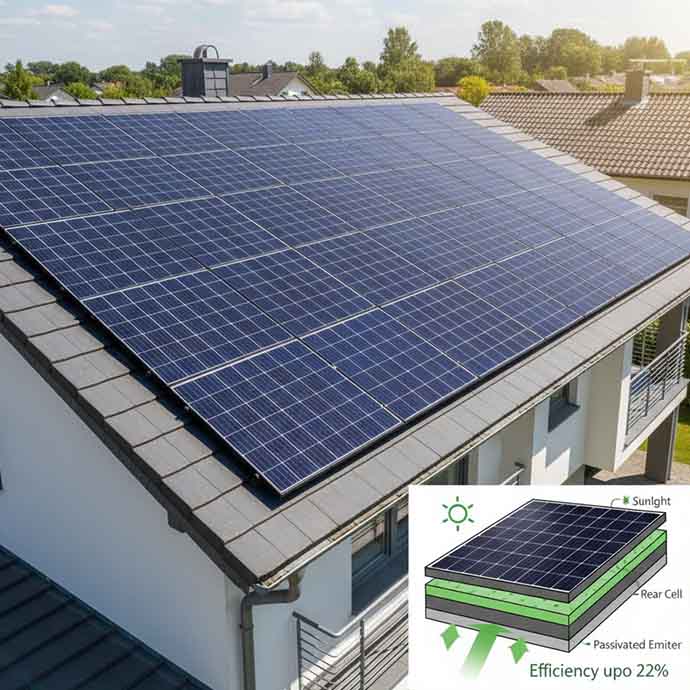
Monocrystalline PERC (Passivated Emitter and Rear Cell) panels are one of the most widely used modern technologies. They have an extra layer on the back of the cells, which helps capture more sunlight. This boosts efficiency up to 22%, making them ideal for homes with limited roof space.
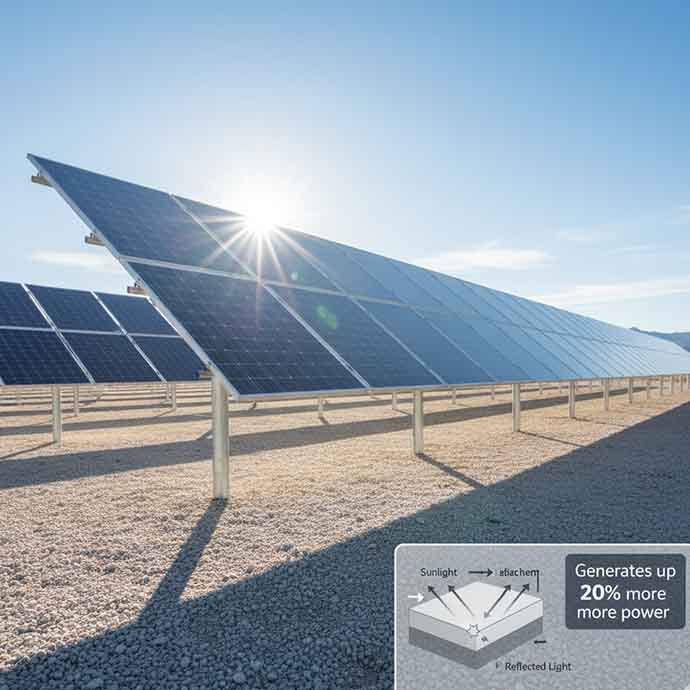
Bifacial panels can absorb sunlight from both the front and the back. They capture reflected light from the ground or nearby surfaces, generating up to 15–20% more power compared to traditional panels. These are often used in commercial or open-field projects.
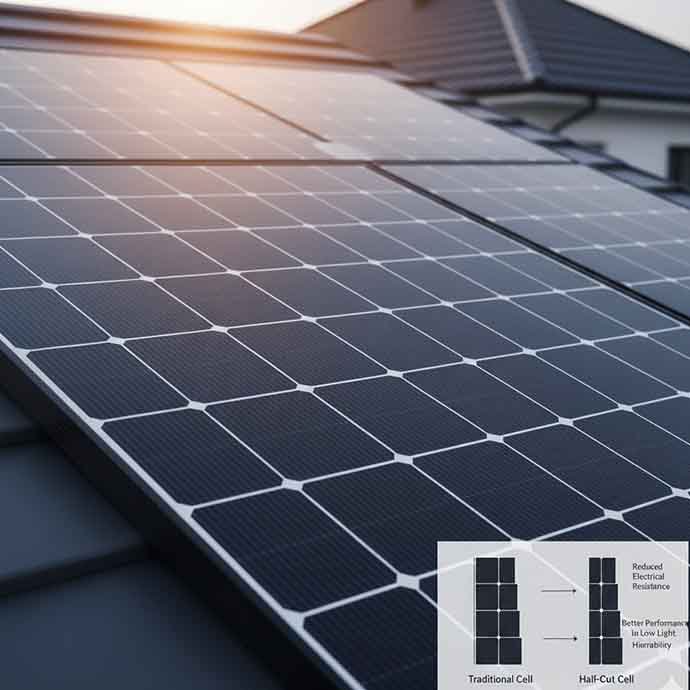
Instead of using full-sized solar cells, these panels cut the cells in half. This design reduces electrical resistance and heat loss, which means better performance in low-light conditions and higher durability.
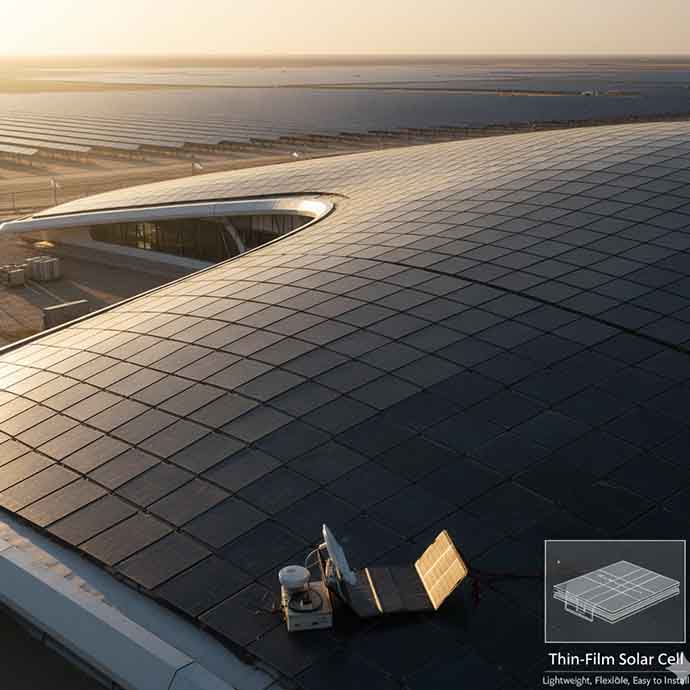
Thin-film panels use materials like cadmium telluride (CdTe) or amorphous silicon. They are lightweight, flexible, and easy to install. While less efficient (around 12–15%), they are useful for portable solar devices, curved surfaces, and large-scale projects where space isn’t an issue.
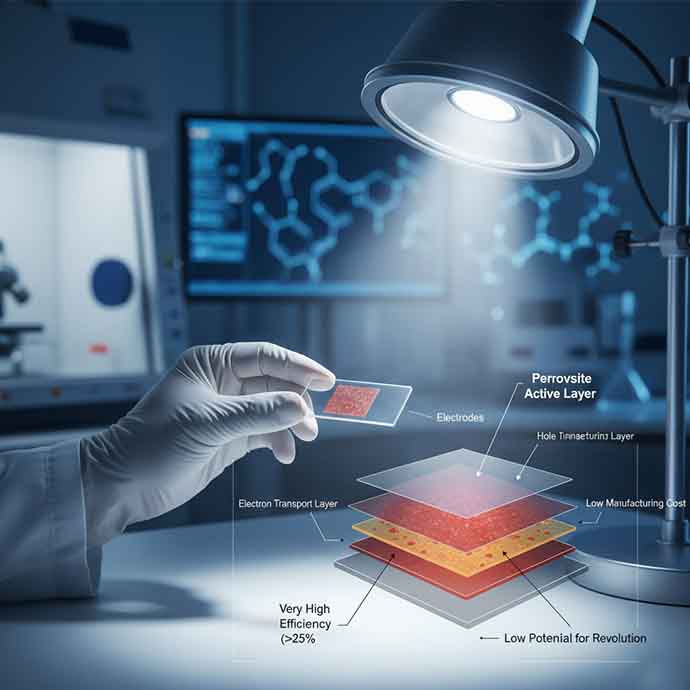
Perovskite solar cells are an exciting new development. They promise very high efficiency (above 25%) at a lower manufacturing cost. Researchers are working on making them stable and durable for commercial use, which could revolutionize the solar industry.
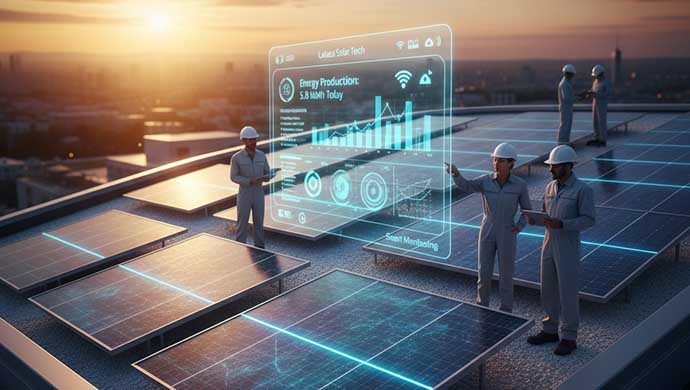
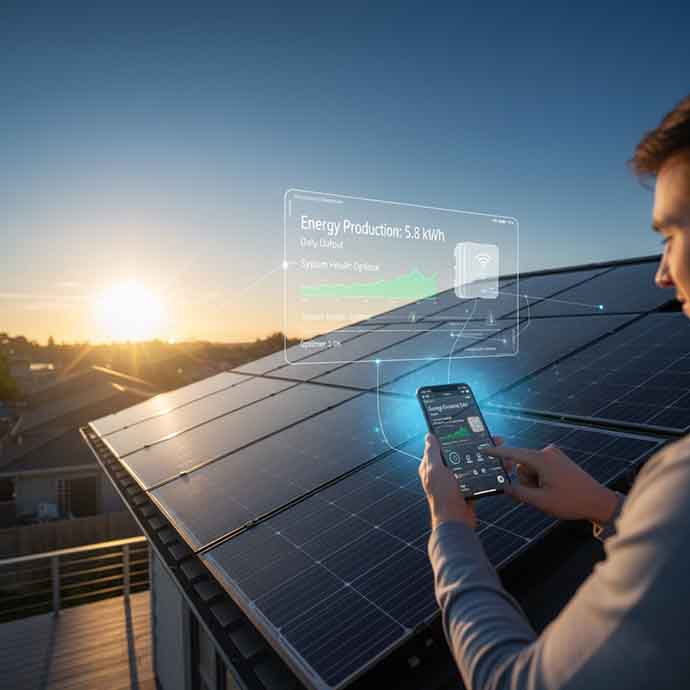
Smart panels come with built-in optimizers and monitoring systems. They allow homeowners to track energy production in real time, detect issues quickly, and improve safety and efficiency.
Conclusion
The latest solar panel technologies—such as PERC, bifacial, half-cut cell, thin-film, and perovskite—are making solar energy more powerful and affordable. If you’re planning to invest, look for panels that balance efficiency, durability, and cost based on your specific needs.
Frequently Asked Questions (FAQs)
Q1: Which solar panel technology is the most efficient right now? A: Monocrystalline PERC and Perovskite cells are among the most efficient, reaching over 22–25% efficiency.
Q2: Are bifacial solar panels worth it for homes? A: Yes, but they work best in open areas where sunlight can reflect from the ground. For typical rooftops, monocrystalline panels are usually more practical.
Q3: What is the main advantage of half-cut solar cells? A: They reduce power loss and perform better in low-light conditions, making them more reliable.
Q4: Are thin-film solar panels good for residential use? A: Not usually. They are better for portable devices and large commercial projects because of their lower efficiency.
Q5: When will perovskite solar panels be available in the market? A: They are still in the testing phase, but many experts expect commercial use within the next few years.