CPAP Machine Side Effects: What You Should Know Before Starting Therapy
Poweraic
When you purchase through links on our site, we may earn an affiliate commission. But the price of your product will not increase. Details
Last Updated: November 20, 2025 at 5:21 PM
Continuous Positive Airway Pressure (CPAP) therapy is one of the most effective treatments for sleep apnea, but many users experience certain challenges when they first begin. Understanding the cpap machine side effects can help you manage them early and improve your long-term comfort. This guide explains the most common side effects, why they happen, and how you can reduce them.
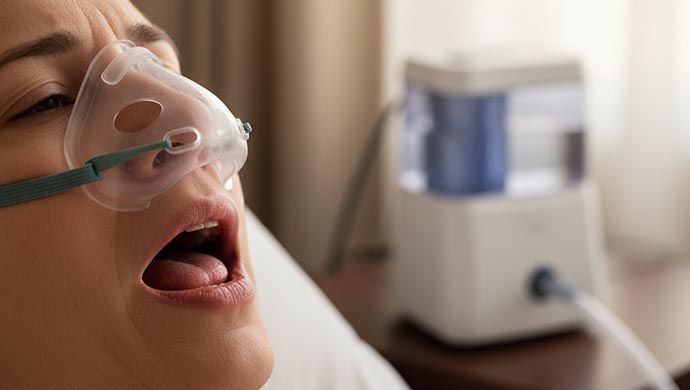
One of the most common cpap machine side effects is dryness in the mouth or throat. This usually occurs when air leaks from the mask or when you sleep with your mouth open while using a nasal mask. To reduce this issue, choose a CPAP device with built-in humidifier support and consider switching to a full-face CPAP mask for better airflow control.
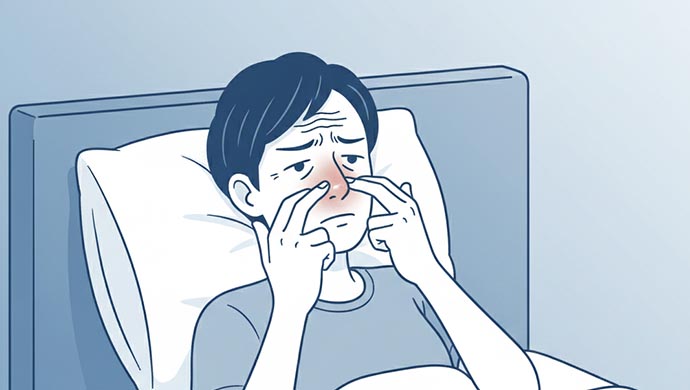
Some users experience nasal congestion, runny nose, or sneezing after using CPAP. This is often caused by cold, dry air entering the nasal passages. You can solve this by using a machine with heated tubing or adding a warm-moisture humidifier, which helps maintain comfortable airflow throughout the night.
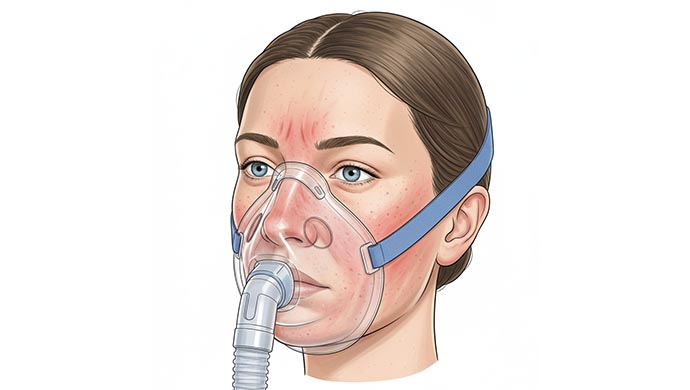
Improperly fitted masks may cause redness, pressure marks, or skin irritation. In some cases, the mask can feel too tight or loose, causing constant air leaking. Switching to a soft-silicone mask or adjusting the straps will greatly improve comfort. For sensitive skin, using mask liners can prevent irritation and create a better seal.
Some users feel uncomfortable exhaling against continuous airflow. This is another common issue found among new users. Choosing a device with auto-adjusting pressure control or expiratory pressure relief can make breathing more natural and less stressful during sleep.
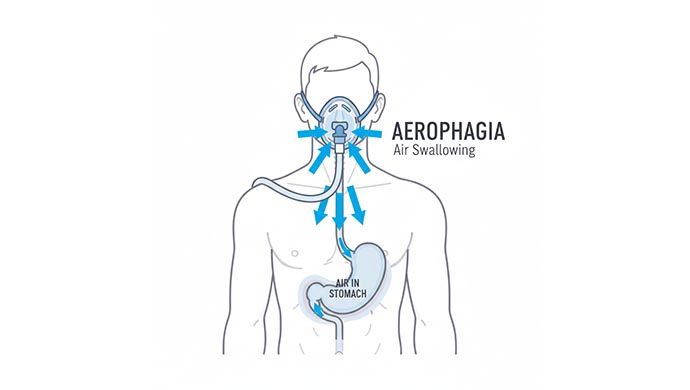
Air swallowing causes bloating, burping, or stomach discomfort. It happens when pressure is too high or when you sleep in certain positions. Adjusting your pressure settings with your doctor or using an Auto-CPAP device often reduces this issue significantly.
6. Claustrophobia or Anxiety
Some beginners feel trapped or anxious when wearing a mask. This psychological response usually improves after a few days of practice. You can start by wearing the mask for short periods during the day, or switch to a minimal-contact nasal pillow mask if you prefer a lighter feel.
7. Eye Irritation
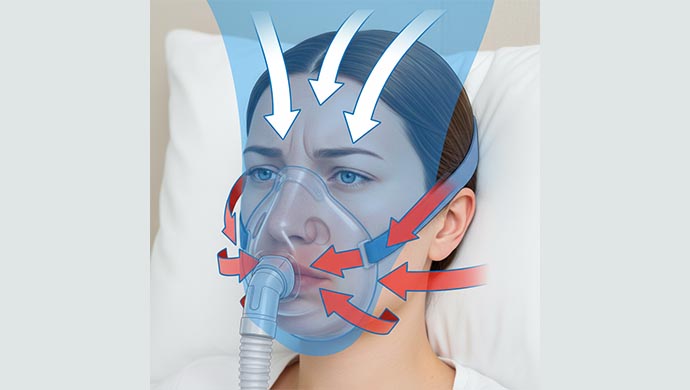
Air leaks around the mask can direct airflow into your eyes, causing irritation or dryness. A properly fitted mask or shifting to a halo-style headgear can solve this problem quickly.
Final thought:
Understanding the cpap machine side effects makes the therapy easier to manage and increases long-term success. Most side effects are temporary and can be resolved with proper mask fitting, humidity control, and the right CPAP device. Always consult your doctor if symptoms continue, as they can help adjust your pressure settings or recommend better equipment.
5 Important FAQs about cpap machine side effects
FAQ 1: Are CPAP machine side effects permanent?
Most CPAP side effects are temporary and improve as you get used to the therapy. Proper mask fitting and humidity control usually fix the issues.
FAQ 2: Why does CPAP cause dry mouth?
Dry mouth happens when air leaks from the mask or when you sleep with your mouth open. Using a humidifier or a full-face mask can reduce this.
FAQ 3: Can CPAP therapy cause stomach bloating?
Yes. A condition called aerophagia (air swallowing) can cause bloating or burping. Adjusting pressure settings or using an auto-CPAP can help.
FAQ 4: Is it normal to feel anxious or claustrophobic with a CPAP mask?
Yes. Many beginners feel anxious at first. Practicing with the mask during the day or choosing a lighter nasal pillow mask helps reduce the feeling.
FAQ 5: What should I do if I experience skin irritation from the mask?
Try loosening the straps, switching to a soft silicone mask, or using mask liners. If irritation continues, consult your doctor for alternative options.